Protection From Heat and Glare Daily
Automotive Window Tinting in Wood Village for interior heat buildup, excessive glare, and UV damage
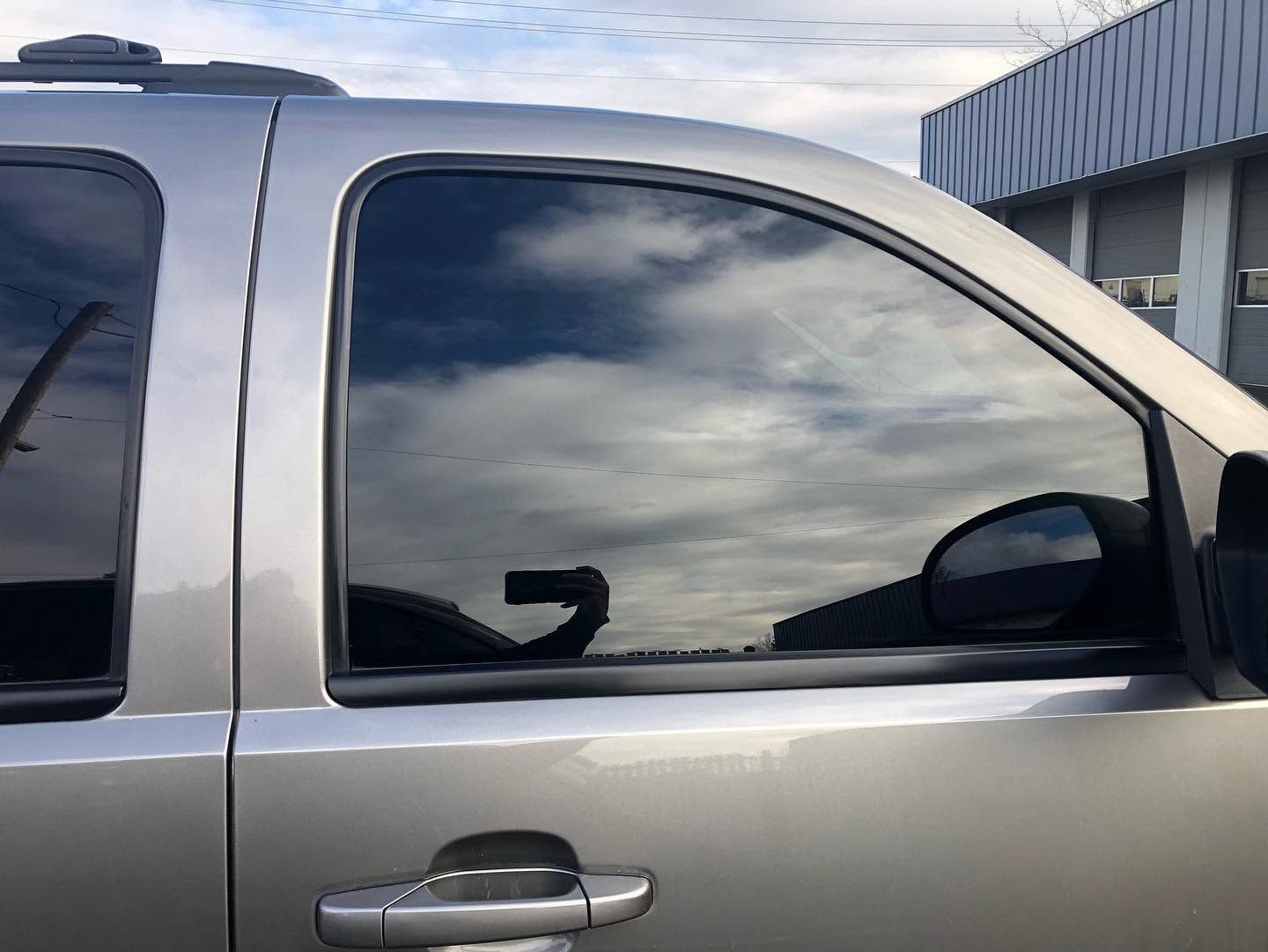
Window Tint King applies automotive window film to daily drivers, luxury vehicles, trucks, and SUVs facing constant sun exposure and temperature extremes throughout Wood Village and the surrounding region. You need this service when your vehicle's interior becomes uncomfortably hot during summer months, when dashboard glare creates visibility problems, or when you notice fading on seats and trim surfaces. Professional installation produces clean edges along window frames and ensures film adheres without bubbles or peeling that compromise both appearance and function.
The tinting process involves surface preparation to remove contaminants, precise film cutting to match each window's dimensions, and application techniques that eliminate air pockets between glass and film. Quality films block a measurable percentage of infrared radiation responsible for heat transfer while filtering ultraviolet rays that degrade interior materials over time. Tint options vary in darkness level, reflectivity, and ceramic content, each affecting heat rejection capacity, visibility from outside, and long-term durability under direct sunlight.
Schedule a tint consultation to review film options based on your vehicle type and usage patterns.
How Window Film Changes Your Drive
Automotive window tinting works by reflecting and absorbing solar energy before it enters the cabin, which directly lowers the temperature your air conditioning system must counteract. Higher-grade ceramic films contain non-metallic particles that reject heat without interfering with radio signals or electronic toll readers, a distinction that matters for vehicles equipped with GPS, satellite radio, or wireless device connectivity. The installation process includes edge sealing techniques that prevent moisture infiltration and film separation along window borders where stress concentrations typically cause failure.
After installation completes, you'll notice reduced squinting from reflected sunlight off the hood or side mirrors, cooler surface temperatures on steering wheels and seat materials, and slower color degradation on dashboard plastics exposed to continuous UV bombardment. Window Tint King applies films that maintain visibility for safe driving while filtering the specific light wavelengths responsible for interior fabric bleaching and leather cracking. The film's scratch-resistant outer layer also provides a secondary benefit of holding glass fragments together during impact, which adds a minor safety consideration beyond the primary comfort and protection functions.
Film longevity depends on installation quality and environmental exposure, with properly applied tint maintaining adhesion and appearance for years without bubbling or discoloration. Premium films include warranties covering delamination and color shift, though these protections require following specific cleaning protocols that avoid ammonia-based products capable of breaking down adhesive layers. Tinting does not eliminate the need for window shades in parked vehicles during extreme heat, but it significantly reduces the rate of interior temperature increase compared to untreated glass.
Questions Owners Ask Before Tinting
Vehicle owners considering window film often want to understand how the service affects daily use and what results they should expect after installation.
What darkness level is legal for front side windows in Oregon?
Oregon law permits tinting on front side windows only if the film allows more than 35 percent of light to pass through, while rear and back windows have no darkness restrictions for passenger vehicles.
How does ceramic film differ from standard dyed film?
Ceramic films use nano-ceramic particles to reject infrared heat without adding metallic content, which prevents signal interference and provides superior heat rejection compared to dyed films that primarily reduce visible light and glare.
When should I avoid rolling down newly tinted windows?
You should wait three to five days after installation before lowering windows to allow the adhesive to cure fully, preventing film edges from peeling away from glass during movement.
What causes window film to turn purple over time?
Lower-quality dyed films break down under UV exposure, causing the dye layer to fade and shift toward purple hues, while higher-grade films use stable pigments and UV blockers that resist color change throughout their lifespan.
How does Wood Village's climate affect film performance?
The region's wet winters and bright summer months create conditions where moisture control during installation and heat rejection capacity during warmer seasons both influence film selection and application timing.
Window Tint King provides personalized quotes based on your vehicle's window count, glass curvature, and the specific film grade that matches your heat rejection and privacy requirements. Request a tint evaluation to compare film samples and understand how different options perform under actual driving conditions.