
Paint Protection That Actually Lasts
Ceramic Coatings in Wood Village for vehicles exposed to environmental contaminants, road grime, and constant weather
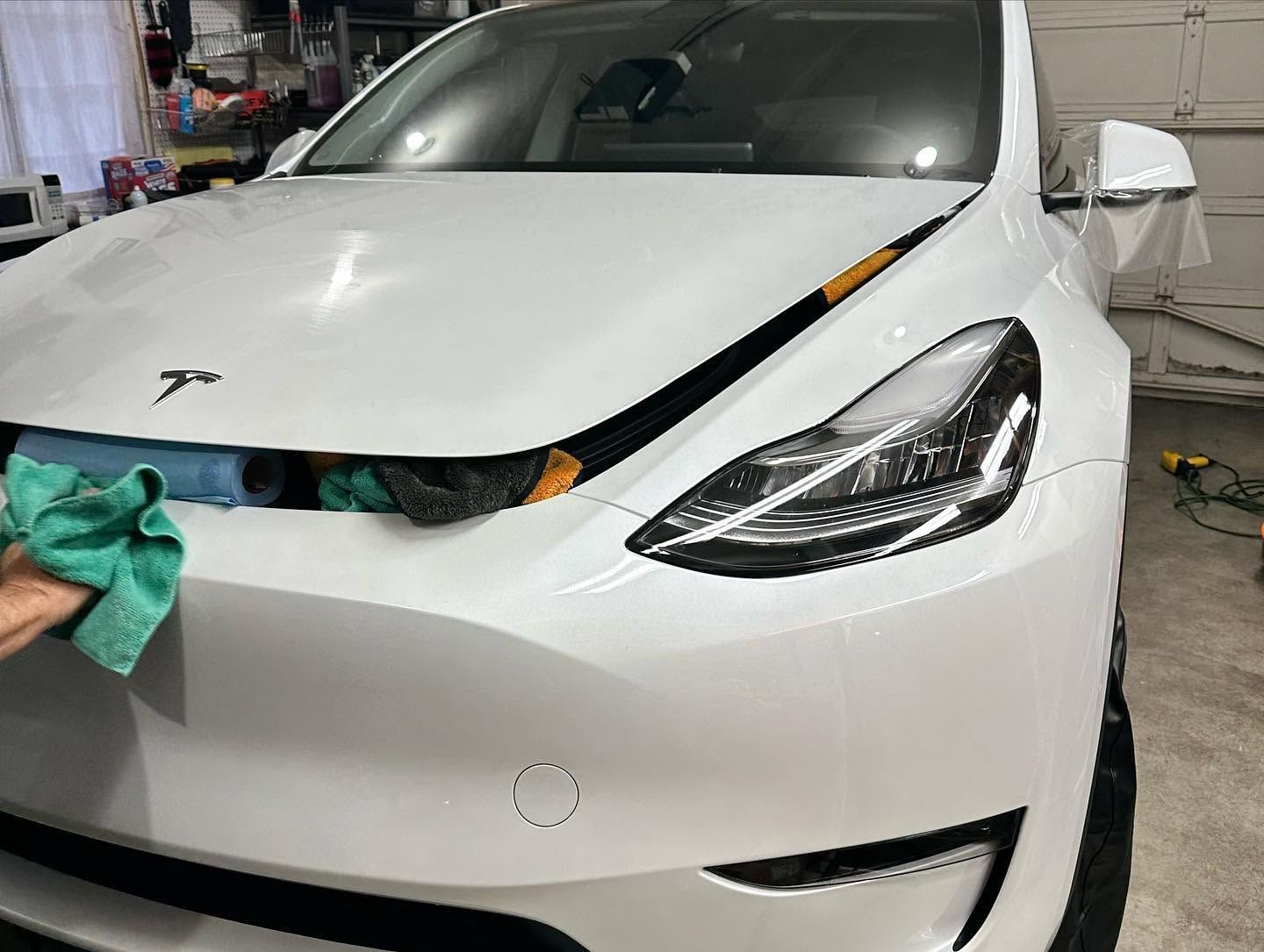
Environmental contaminants including tree sap, bird droppings, road salt, and industrial fallout bond to vehicle paint and initiate chemical reactions that etch clear coat, dull gloss, and create permanent surface damage over time. Ceramic coating application creates a chemically resistant barrier layer that prevents these substances from directly contacting paint, making contamination removal easier during routine washing and reducing the rate at which clear coat oxidizes from UV exposure. Window Tint King applies ceramic coatings in Wood Village to vehicles requiring long-term paint protection, simplified maintenance routines, or restoration of gloss levels diminished by years of exposure. You'll observe enhanced surface depth, water that sheets off panels rather than beading in scattered droplets, and easier removal of dirt that would otherwise require aggressive scrubbing.
The coating process requires thorough paint correction to eliminate existing swirl marks and oxidation before application, since ceramic products bond permanently to whatever surface condition exists at the time of installation. Professional surface preparation includes multi-stage polishing that restores paint clarity, followed by solvent wipe-down that removes polishing oils preventing proper coating adhesion.
Schedule a vehicle evaluation to assess your paint's current condition and determine what preparation steps are necessary before coating.
Why Surface Preparation Works This Way
Ceramic coating application begins with paint decontamination using clay bars or chemical removers that extract embedded iron particles and tar residue from clear coat surfaces, creating a smooth foundation for subsequent polishing steps. Machine polishing follows using progressively finer abrasive compounds that level surface imperfections, remove oxidation, and restore gloss by creating uniform light reflection across paint panels. Window Tint King performs inspection under high-intensity lighting to verify all defects are addressed before applying coating, since the ceramic layer amplifies rather than hides any remaining imperfections by adding depth that makes surface irregularities more visible.
After coating cures, you'll notice water behavior changes dramatically—liquids form tight contact angles that cause them to slide off vertical surfaces rather than spreading across paint and leaving mineral deposits during evaporation. Washing becomes less labor-intensive because dirt adheres more loosely to the slick ceramic surface compared to bare clear coat, and contamination like bug splatter or bird waste wipes away without requiring harsh chemicals or scrubbing pressure that risks inducing new scratches. The coating's chemical resistance prevents acidic substances from etching paint during the hours or days before you notice and remove them, buying time that protects clear coat from permanent damage.
Ceramic coatings provide scratch resistance against light marring from automatic car washes or improper drying techniques, though they don't prevent rock chips or key scratches that penetrate through coating and clear coat into base paint layers. Longevity ranges from two to five years depending on coating grade, maintenance habits, and environmental exposure, with proper care including pH-neutral wash products and avoiding automatic brush washes that degrade the coating surface. The service does not eliminate the need for regular washing, but it reduces the frequency and effort required to maintain clean appearance between detail sessions.
Questions Before Starting Your Project
Vehicle owners considering ceramic coating want to understand what the product actually does, how it changes maintenance requirements, and whether the cost justifies the benefits for their specific use case.
What happens if paint has scratches before coating application?
Surface defects must be corrected through polishing before coating, since ceramic products lock in whatever condition exists—coating over scratches preserves them permanently rather than filling or hiding the damage.
How long does ceramic coating take to cure fully?
Most coatings reach handling strength within 24 hours but require seven days to achieve full hardness and chemical resistance, meaning you should avoid washing or exposing the vehicle to rain during the initial curing period.
When should I reapply or maintain the coating after initial application?
Ceramic coatings don't require reapplication during their rated lifespan, but periodic maintenance using coating-specific spray sealants helps restore water behavior and adds a sacrificial layer that absorbs contamination before it reaches the base coating.
Why does coating cost vary between different service providers?
Price differences reflect coating quality grades, preparation thoroughness, installer experience, and warranty coverage—budget options may skip paint correction or use shorter-lasting products, while premium services include extensive prep and longer-duration coatings.
How does Wood Village's wet climate affect coating performance?
Frequent rain exposure actually showcases coating benefits by demonstrating water-shedding behavior, though it also increases the rate at which road contaminants accumulate and require washing to prevent buildup that degrades coating surface over time.
Ceramic coating by Window Tint King includes detailed inspection of your vehicle's paint condition, realistic discussion of what results you can expect based on current surface quality, and proper maintenance instructions that maximize coating lifespan. Contact us to arrange a paint evaluation that determines whether your vehicle needs correction work before coating application or if the existing finish is suitable for direct installation.