
Consistent Comfort Across Every Vehicle
Commercial Fleet Window Tinting in Wood Village for driver discomfort, inconsistent vehicle appearance, and interior degradation across company vehicles
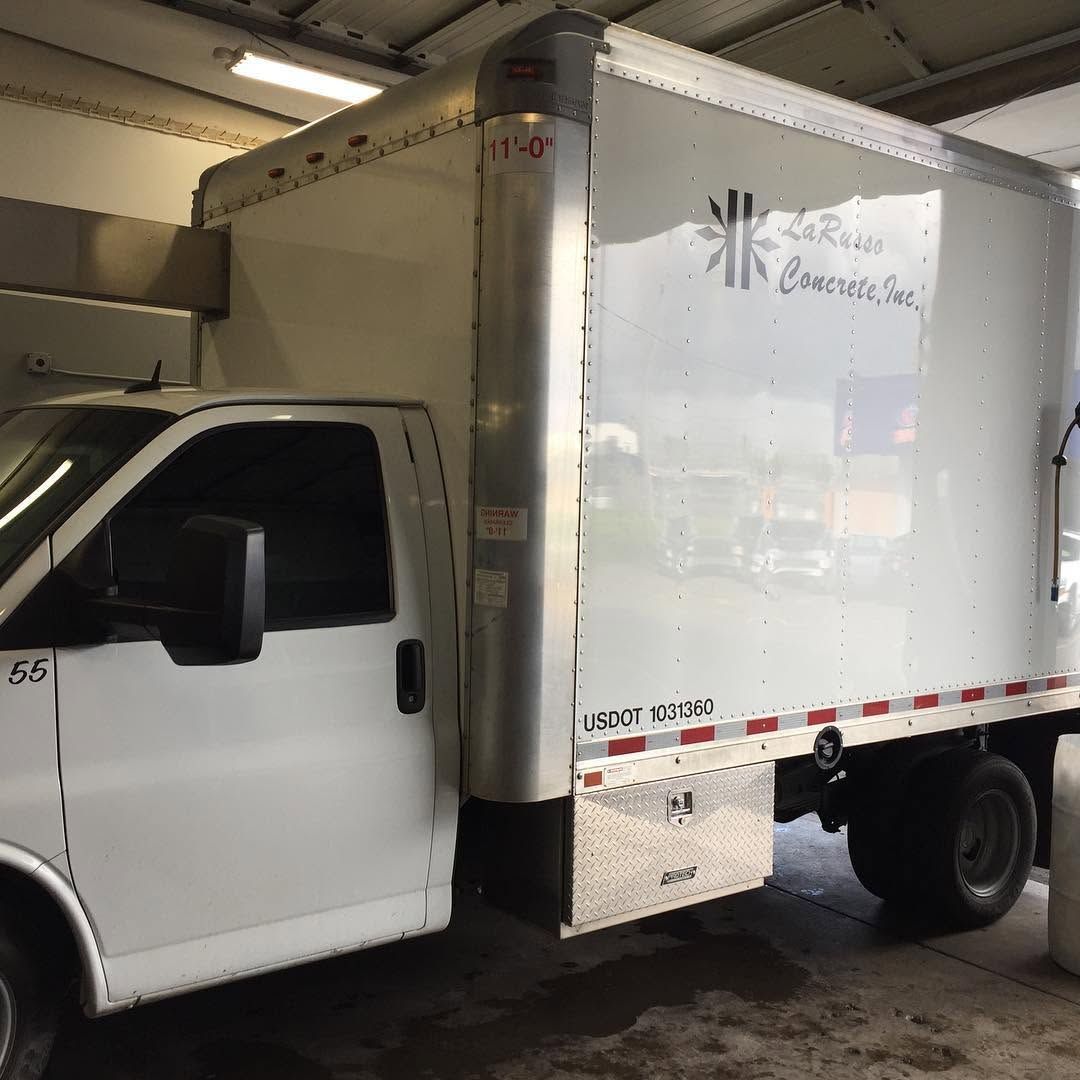
Company vehicles operating in Wood Village face continuous sun exposure that creates uneven cabin temperatures and accelerates interior wear across cars, vans, trucks, and service vehicles used daily. Window Tint King applies uniform tinting across entire fleets to reduce glare that causes driver fatigue, lower interior heat that strains cooling systems, and protect dashboard surfaces from UV-related cracking. Fleet managers need this service when drivers report discomfort during routes, when vehicle interiors show premature aging, or when establishing a cohesive professional appearance across all company assets becomes a branding priority.
Fleet tinting involves coordinating installation schedules to minimize downtime, applying identical film specifications to every vehicle for visual consistency, and documenting each installation for maintenance records. The service addresses practical concerns like reduced air conditioning fuel consumption and extended interior lifespan while creating uniform exterior appearance that reinforces company identity when vehicles are parked at job sites or traveling routes.
Request a customized service plan that outlines installation timing and film specifications for your fleet size.
What Proper Fleet Tinting Requires
Fleet window tinting requires batch scheduling that sequences vehicles through installation without disrupting operational needs, often involving evening or weekend appointments that keep business-critical vehicles in service during peak hours. Film selection balances heat rejection performance with legal compliance for front windows, since commercial drivers operate in varied jurisdictions with different tinting regulations. Window Tint King maintains detailed records of which vehicles received service and what film grade was applied, ensuring replacement or warranty work matches original specifications when individual vehicles require attention years after initial installation.
After fleet tinting completes, drivers experience reduced eye strain from eliminated windshield glare, cooler cabin temperatures that decrease reliance on maximum air conditioning settings, and slower deterioration of vinyl or cloth seats exposed to direct sunlight during parked periods. Uniform tint darkness across all vehicles creates a recognizable appearance that distinguishes company assets from personal vehicles, while the UV-blocking properties slow the dashboard fading that makes older fleet vehicles look neglected compared to newer additions.
Fleet tinting works best when combined with standardized vehicle care protocols that include approved cleaning methods and periodic film inspection to catch edge lifting or damage before it spreads. Larger fleets benefit from volume pricing structures and priority scheduling that accommodate adding newly acquired vehicles to match existing units. The service does not eliminate the need for routine interior cleaning, but it significantly reduces the rate at which sun exposure degrades materials and creates replacement costs for seats, headliners, and trim components.
Answers to Frequent Service Questions
Fleet managers evaluating
window tinting for multiple vehicles typically focus on logistics, consistency, and measurable operational benefits before committing to installation.
How long does fleet installation take per vehicle?
Most passenger vehicles and cargo vans require two to three hours for complete window coverage, though larger trucks or vehicles with complex window shapes may extend installation time to four hours.
What happens if one vehicle's tint gets damaged later?
Window Tint King maintains records of the exact film type and shade applied to your fleet, allowing individual vehicle repairs or replacements to match the rest of your units precisely without requiring documentation from your end.
When should we schedule tinting for new fleet additions?
Tinting new vehicles within the first month of service prevents interior UV damage from starting and ensures the newest units match your existing fleet appearance immediately rather than showing visible differences.
How does tinting affect fuel consumption for delivery vehicles?
Reducing cabin heat lowers air conditioning load, which decreases engine strain and fuel use during warm months—particularly noticeable in stop-and-go delivery routes where AC runs continuously while the vehicle idles.
What film grade works best for Wood Village delivery routes?
Routes involving extended highway driving in direct sun benefit from higher ceramic content films that maximize infrared rejection, while urban routes with more shade exposure can use standard films that still provide adequate heat control and UV protection.
Fleet tinting by Window Tint King includes pre-installation vehicle inspection to identify any glass damage that should be repaired before film application and post-installation documentation that simplifies warranty claims or future service needs. Contact us to arrange an on-site fleet evaluation that accounts for your vehicle types, usage patterns, and scheduling constraints.